
“I have no idea what I’m spending…” is a phrase we hear all the time from our clients, and it’s easy to see why. In a world of instant electronic transactions and busy schedules, pulling together accurate expense figures can be a challenge. However, for wealth planning, understanding your current spending is essential. It forms the foundation for scenario-based analysis and helps us prepare a realistic roadmap for your financial future. Even when planning for future lifestyle goals, today’s expense data provides a reliable baseline for building and stress-testing long term financial plans. If you are unsure where to begin, here are some ideas to help you get started.
Pen & Paper
If you do not have any numerical idea what you may spend, the best day to start is today. Use a notebook or calendar to write down every purchase: groceries, utilities, subscriptions, one-time purchases. Track spending for an entire month. You can then unpack this information further by asking yourself if you had atypical purchases this month, or what the nature of reoccurring purchases were.
Statement Sleuthing
Period-end credit card statements can hold categorized datapoints for your spending picture. Often, card companies already pre-categorize your transactions into common areas, such as groceries, dining, entertainment, and subscriptions. These statements should be easily retrievable from your app/website login. They also show interest and fees from carrying a balance. Tracking these charges is important to ensure you’re not accumulating unnecessary costs due to credit mismanagement. Have you gathered the statements but don’t want to sort through all the data yourself? You could even consider uploading a batch of statements to an AI chatbot, prompting it to categorize transactions and track trends over time. If you pursue this option, however, attempt to avoid uploading documents with full account numbers and personally identifying information to ensure data privacy.
“Backing In”
Another effective method is to work backward from your bank accounts. Take your monthly take-home pay and subtract the ending balance in your checking account. The result can reflect part or all of your monthly spending. Tracking this over several months gives you an average expenditure figure and a clearer picture of patterns over time.
Tech To The Rescue
Budgeting and expense-tracking apps can simplify this process, providing instant insights and data trends right from your smartphone. A few options for consideration:
- Monarch tracks and categorizes spending while building a balance sheet.
- Tiller imports your financial data directly into Excel or Google Sheets for those who prefer spreadsheets.
- YNAB (You Need A Budget) includes a “Together” feature designed for couples navigating shared finances.
While most of these apps operate on a subscription basis, free trials allow you to test different platforms to see which best fits your style. For free alternatives, Google Sheets offers a built-in “Monthly Budget” template with pre-set categories and visuals.
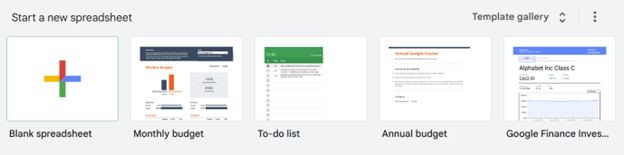
Google’s ‘Monthly Budget’ template Sheet
Additionally, Becker Capital’s Wealth Planning team has created a Spending Plan Worksheet in Excel, available upon request for clients.
Get The Youth Involved
Don’t save all the budgeting fun for yourself! Helping your child start tracking their expenses is one of the best ways to set them up for long-term financial success. Encourage them to keep a simple notebook or use an app to record what they earn via allowance, gifts, or part-time income, and also what they spend on purchases or when out with friends. Teach them to avoid debt by researching the cost and saving up for purchases rather than borrowing, and suggest putting a small portion of each paycheck into a savings account to build healthy habits early. A next step could be having them build out their first balance sheet with their savings and ‘liabilities’ (if they borrowed from a parent for example) to quantify net worth.
Check Back In
Expense tracking is most valuable when done regularly. Reviewing your data over time helps identify trends, such as:
- Are certain expenses seasonal?
- Do discretionary purchases tend to exceed budgeted amounts?
- Are you withholding proper amounts from your paycheck?
Your Becker Capital Wealth Planning team is here to partner with you in tracking these details, identifying insights, and adjusting your financial plan accordingly. Reach out to your planner to schedule your next meeting.
* References to specific software applications are provided solely as examples for educational purposes. Becker Capital Management does not receive compensation, referral fees, or other benefits for mentioning these products. Clients should evaluate software options independently and select tools that best meet their personal needs.