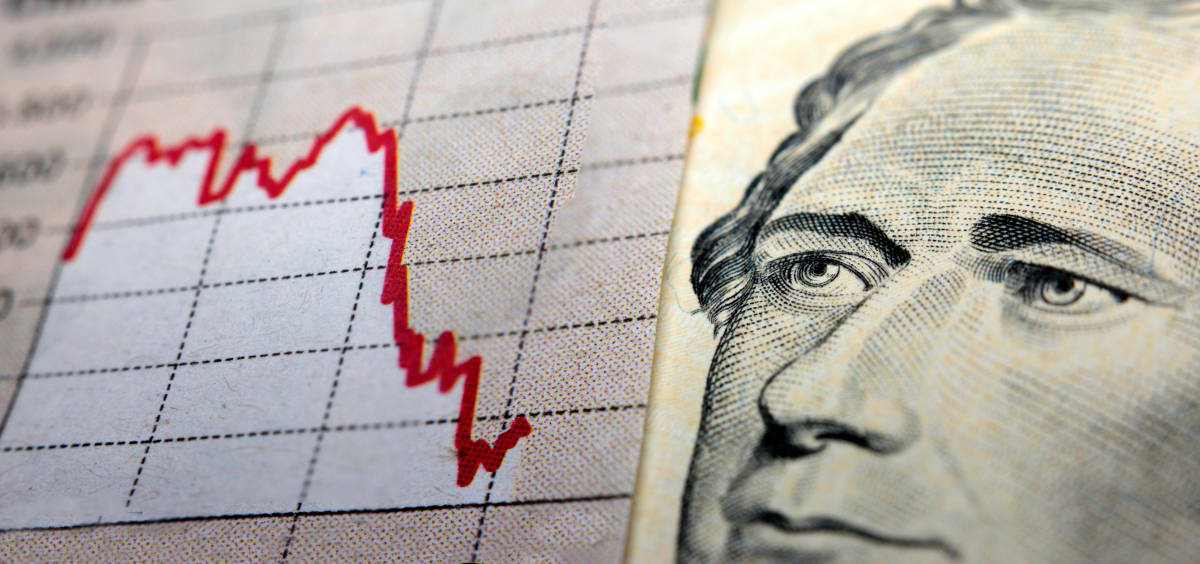
If you’ve felt a little whiplash reading headlines lately, you’re not imagining it. On one hand, markets are acting like it’s a celebration—new highs, strong earnings, and a labor market that refuses to roll over. On the other hand, households are staring at the pump, the grocery bill, and the next insurance premium notice and thinking: Why do the pundits keep telling me things are great?
The feel-good side: markets and macro data look surprisingly sturdy
Markets: The S&P 500 has been making fresh records—closing at 7,609 on June 2, 2026
Earnings: Under the hood, much of the market’s strength stems from strong company profits. The S&P 500 earnings are estimated to be up roughly 27% from last year. (FactSet Earnings Insight, May 8, 2026)
Economic indicators: The “hard” economic data has been resilient enough to keep risk-on spirits alive. Total non-farm payroll employment exceeded expectations by 72,000 jobs in May and the unemployment rate was unchanged at 4.3%. While job adds aren’t all-time highs, the unemployment rate remains well within expansion territory. The top-line growth story isn’t booming, but it is positive. The U.S. Bureau of Economic Analysis (BEA) advance estimate shows real GDP rose at a 2.0% annual rate in Q1 2026, up from 0.5% in Q4 2025.
Consumer spending: The household engine continues to roll on. In April, BEA reported personal consumption expenditures (PCE) rose 0.4% month over month. Even after adjusting for inflation, real PCE increased 0.1%. Some of this spending increase may be attributed to higher gas prices and more money in accounts due to tax refunds. At the same time, the personal saving rate was a lean 2.6%, a hint that some spending resilience is being financed with thinner buffers.
The feel-bad side: households are absorbing the shocks in real time
Against that backdrop, it’s easier to understand why people say the economy feels worse than the charts suggest. A handful of big-ticket categories have stayed expensive, and those are the categories households interact with every single week.
- Sentiment is at the floor: The University of Michigan’s consumer sentiment index hit 48.2 in May (down from 49.8 in April), a new record low.
- Gas prices are back over $4.50: The national average gasoline price was about $4.546 per gallon in early May, above $4.50 for the first time since July 2022.
- Inflation is still noticeable and above the Fed’s target rate of 2%: Headline CPI was +4.2% year-over-year in May 2026.
- Healthcare costs keep climbing: the Centers for Medicare & Medicaid Services projections show national health spending growth of 5.4% in 2026 and 5.7% in 2027.
- Stress in farm country is rising: Fuel and fertilizer costs, following last year’s tariff shocks may directly impact farming and food costs: Chapter 12 farm bankruptcies reached 315 filings in 2025, up 46% from 2024, per the American Farm Bureau Federation.
Layer on geopolitical uncertainty, political turmoil, and the “two-speed” job market—where being employed can feel fine but getting hired (especially in at the entry level) can feel brutal—and the disconnect widens. Housing affordability adds another constant source of pressure: even when inflation cools, the monthly payment doesn’t.
Why this gap exists (and why it can last a while)
A useful way to think about today is: markets focus on future profits, while households live in the present cash-flow. Those are related, but they’re not the same experience.
- Earnings are strong, but not evenly strong. In Q1 2026, the biggest growth rates were concentrated in sectors like Communication Services (+53.2%) and Information Technology (+50.0%). When a few large-cap sectors (and a few mega-cap names) are booming, index-level results can look fantastic even if the median household doesn’t feel it.
- The inflation people feel isn’t “the” inflation in the headline. Even at ~3% CPI, the categories that matter most day-to-day, gas, food, insurance/healthcare, can keep biting.
- Higher rates don’t just slow demand; they lock in affordability problems. A market can rally on earnings while families get stuck with higher borrowing costs (especially visible in housing).
What to watch next (if you want to predict whether “vibes” catch up)
- Energy and transportation costs: if gas stays elevated, it tends to show up in sentiment and spending patterns.
- Whether earnings breadth improves: do more sectors continue to participate, or does growth re-narrow to a few AI-linked winners?
- Credit stress in pockets of the economy: farm bankruptcies rising is a reminder that higher costs and tighter margins can break specific industries even when the overall economy looks “okay.”
- Healthcare and insurance: even “mid-single-digit” national health spending growth compounds fast, and households feel it through premiums and out-of-pocket costs.
Bottom line: It’s possible for the stock market to be “right” about profits and for households to be “right” about pressure at the same time. The real tell will be whether costs that hit people weekly (energy, food, healthcare) cool enough for sentiment to rebound, and whether earnings strength spreads beyond the AI-led parts of the market.